Jamovi Introduction

jamovi
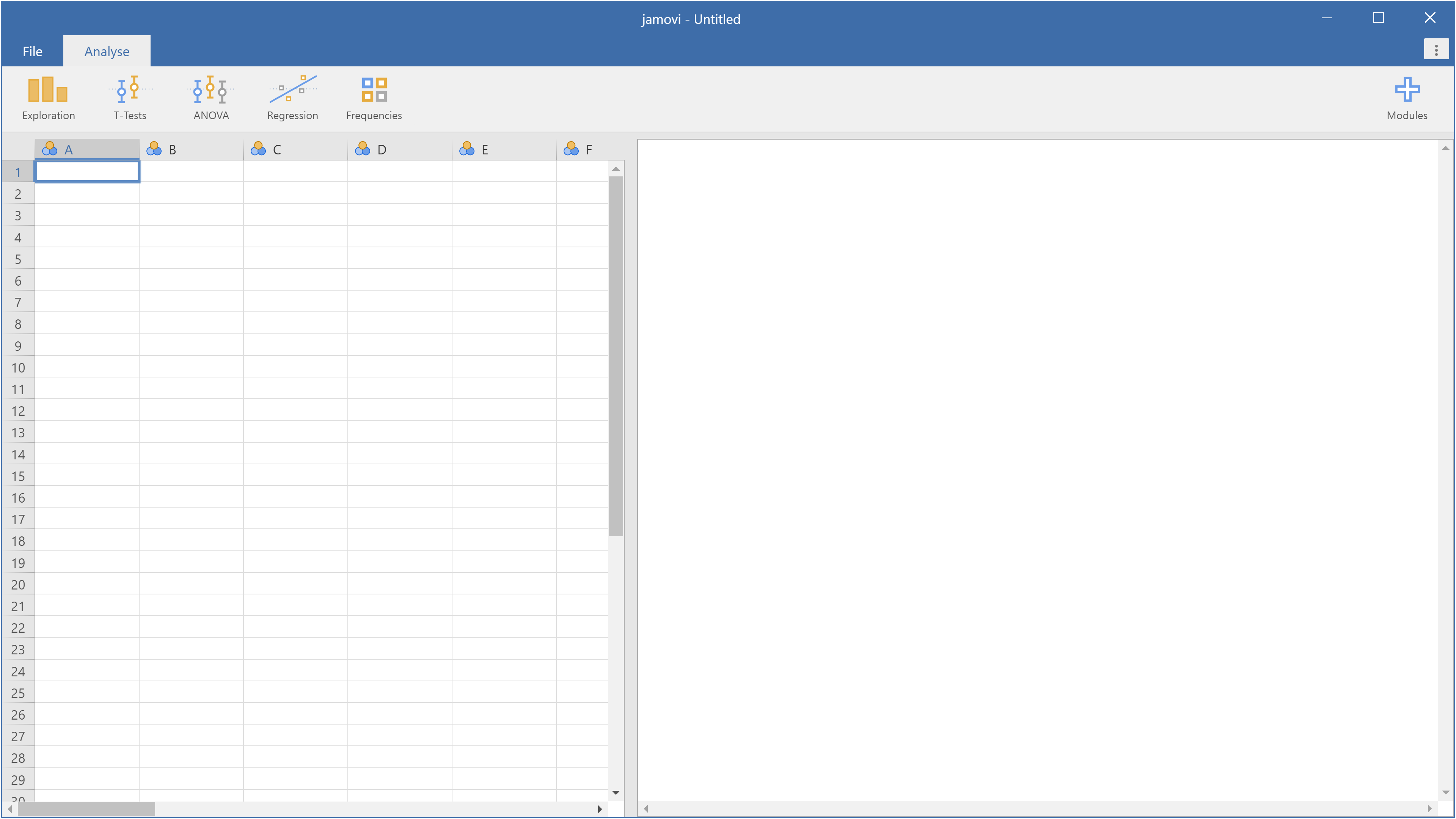
jamovi is an open-source statistical software designed to provide an accessible, graphical interface for data analysis. Built on the R statistical language, it aims to make advanced statistical methods usable for students, researchers, and professionals without requiring programming expertise.
Key facts
Initial release: 2017
Developed by: The jamovi project (open-source community)
Programming base: Built on R and Electron
License: GNU General Public License (GPLv3)
Platforms: Windows, macOS, Linux
Design and purpose
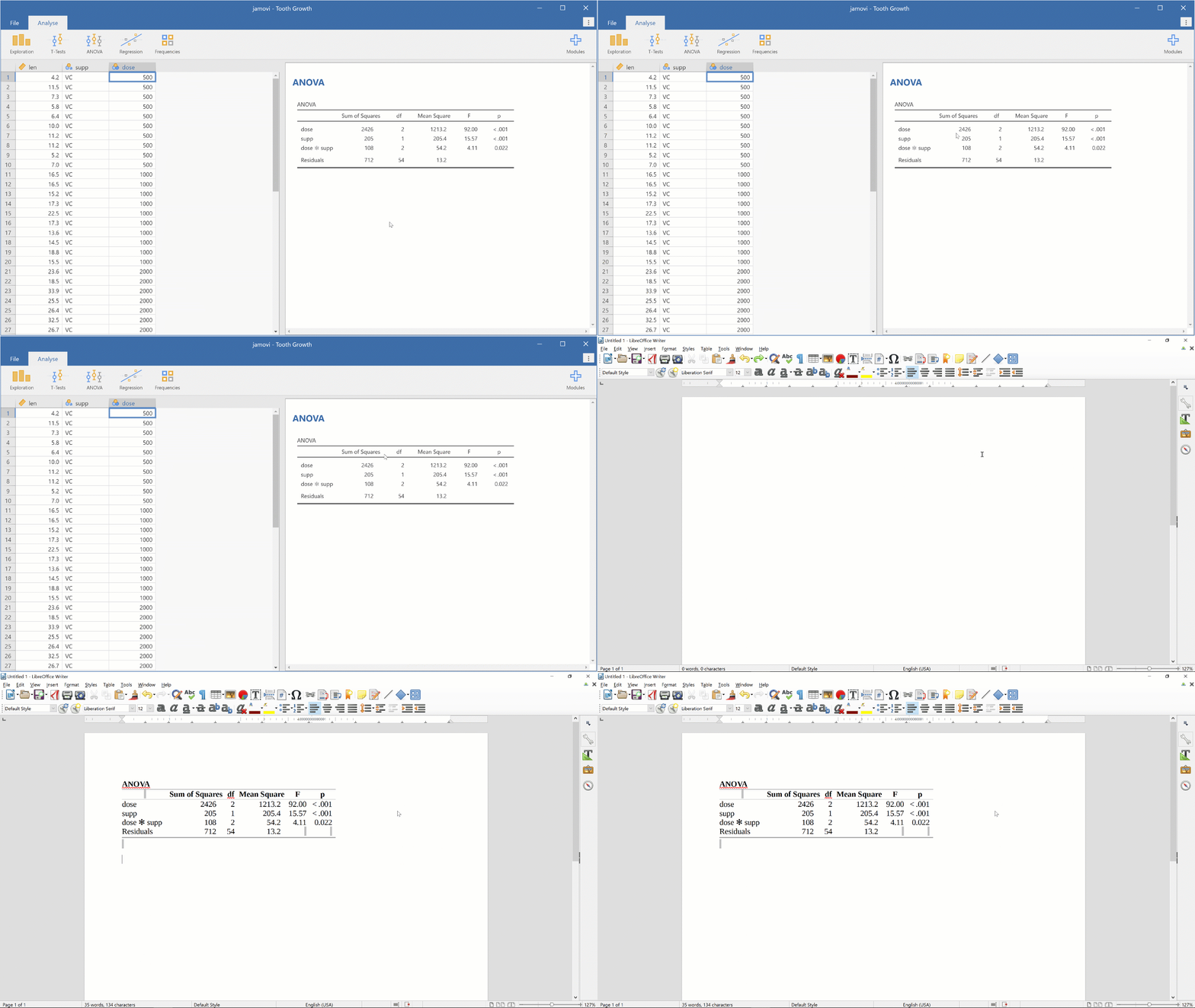
jamovi was created as a user-friendly alternative to traditional statistical software such as IBM SPSS Statistics or RStudio. Its goal is to combine the power of R with an intuitive point-and-click interface that supports both novice and experienced analysts. By integrating analysis, visualization, and reporting within one environment, it reduces the learning curve typically associated with statistical computing.
Features and capabilities
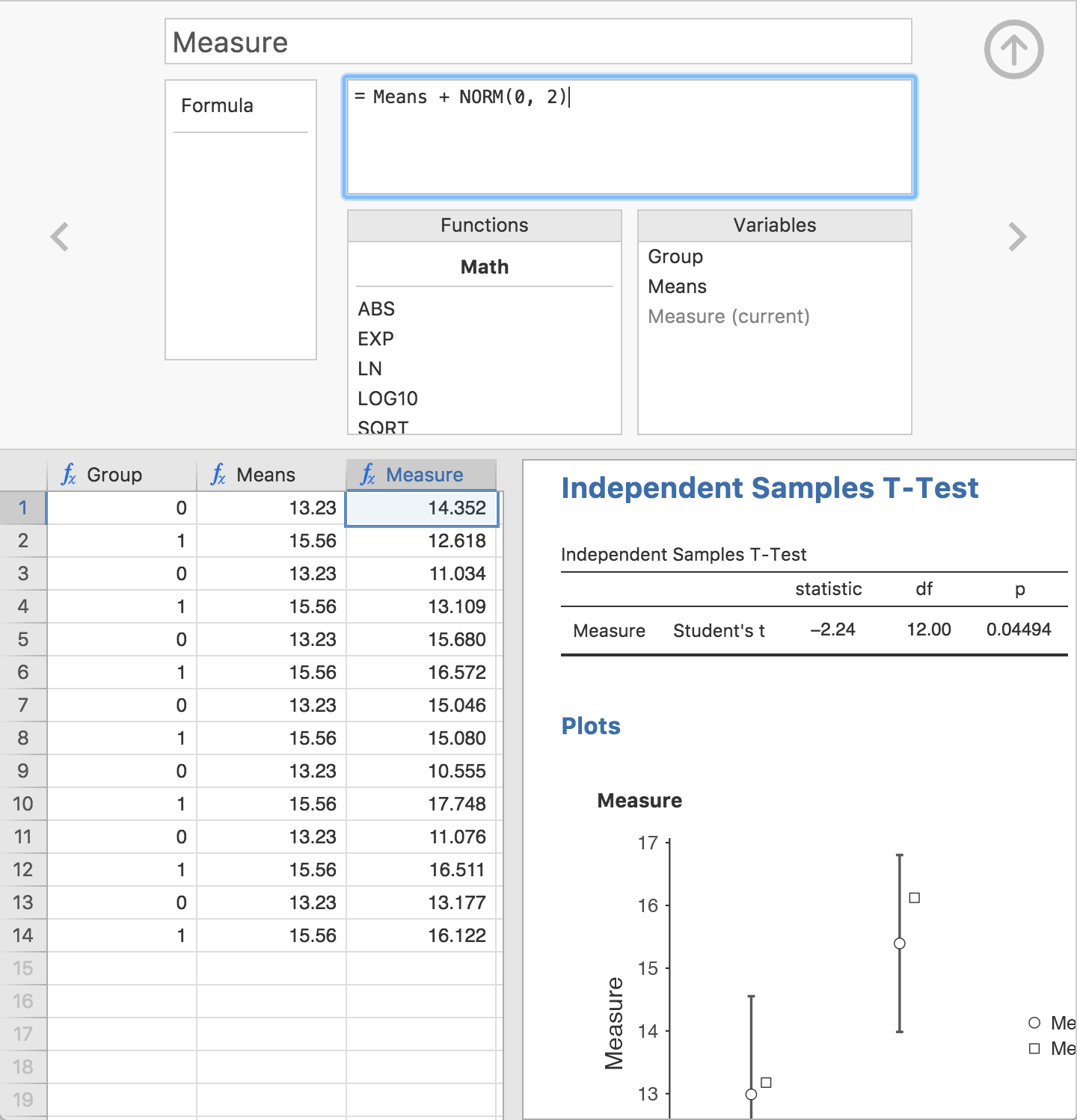
The software supports a wide range of analyses, including descriptive statistics, t-tests, ANOVA, regression, and nonparametric tests. Users can extend its functionality through the built-in jamovi library, which hosts community-developed modules. Each analysis is automatically updated when data change, promoting reproducible research practices. A syntax mode allows users to view and export R code for further customization.
Integration and extensibility
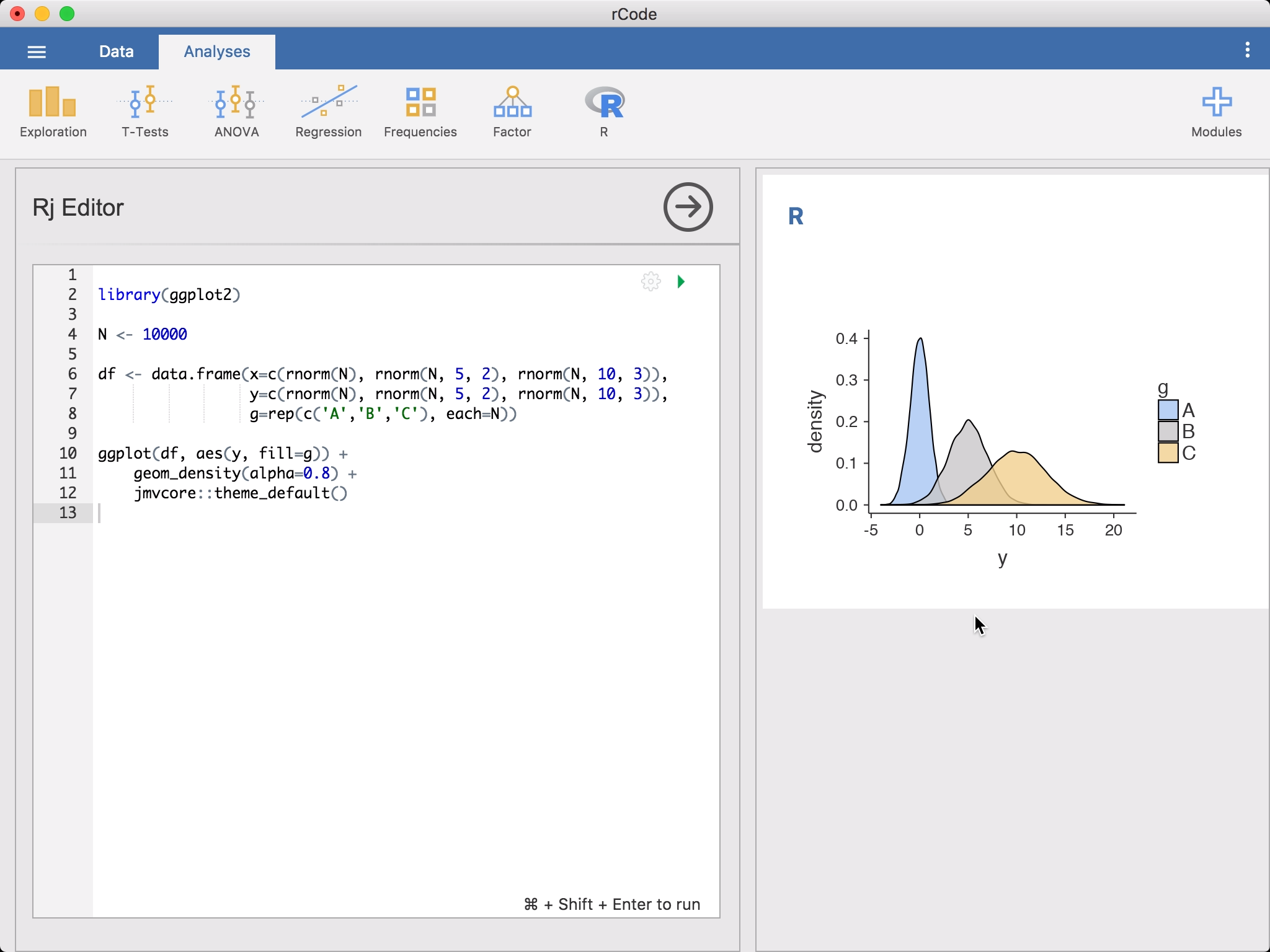
jamovi is closely integrated with R, allowing users to run R code directly within the interface or export analyses for use in external R environments. Its module system encourages community contributions, enabling researchers to develop and share new methods. It also supports data import from formats such as CSV, SPSS, and Excel.
Educational and research impact
Widely adopted in universities and research institutions, jamovi is valued for its transparency and reproducibility. It serves as a teaching tool in introductory statistics courses and supports open science by simplifying data analysis workflows without proprietary restrictions.

Comments
Post a Comment